ISQGD Chemistry Club
The ISQGD Chemistry Club is a worldwide academic platform for learning, communication, and scholarly exchange in chemistry and the chemical sciences. It brings together students, educators, researchers, chemists, professionals, independent scholars, and interested learners through reviewed presentations, research and expository talks, discussions, projects, reading groups, workshops, and other educational activities.
Contents & Quick Navigation
Use the links below to move directly to the main sections of the ISQGD Chemistry Club.
- Frequently Asked Questions (FAQ)
- Overview
- Faculty Advisor
- Participation & Giving a Talk
- Registration, Schedule & Talk Proposal
- Global Scheduling & Time-Zone Coordination
- Topics Covered
- Purpose and Vision
- Club Activities
- Talks & Presentations
- Connection with ISQGD Books
- Who May Participate
- Program Coordination
- Explore More Opportunities at ISQGD
- Contact ISQGD
Have Questions About ISQGD?
Many common questions about ISQGD, memberships, conferences, academic clubs, certificates, publications, volunteer opportunities, and other educational activities are answered in our Frequently Asked Questions (FAQ).
Overview
The ISQGD Chemistry Club provides a structured international setting for academic learning, scholarly communication, presentations, interdisciplinary exchange, and professional engagement. It welcomes students, educators, researchers, chemists, professionals, independent scholars, and interested learners who wish to learn, share ideas, discuss research and applications, and engage with an international academic community.
The Club may include activities in fundamental and applied chemistry, chemical education, laboratory science, pharmaceutical and medicinal chemistry, materials and nanoscience, environmental chemistry, computational and theoretical chemistry, chemical biology, and other areas where chemistry interacts with science, engineering, medicine, technology, and society.
Faculty Advisor
The Faculty Advisor provides academic guidance, helps encourage high-quality programming, supports mentoring and scholarly engagement, and advises the Club on activities that can benefit students, educators, researchers, and the wider chemistry community.
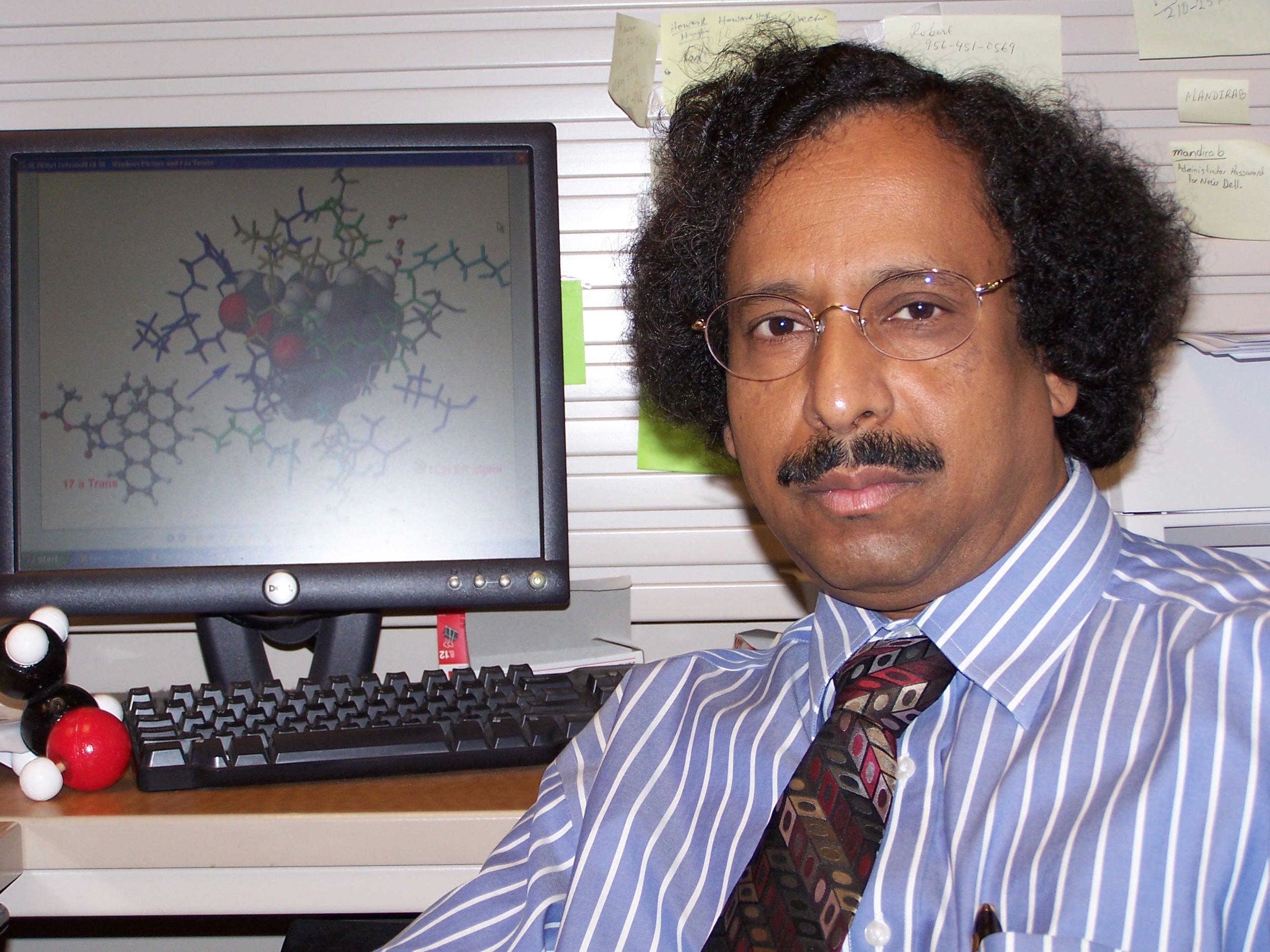
Professor Bimal Krishna Banik
Editor-in-Chief, Chemistry Division, ISQGD Books
Full Professor and Senior Researcher, College of Sciences and Human Studies and Deanship of Research Development, Prince Mohammad Bin Fahd University, Al Khobar, Kingdom of Saudi Arabia
Professor Banik brings extensive experience in chemistry, biomedical science, research leadership, higher education, mentoring, scholarly publishing, and international scientific service. His record includes more than 800 publications, 34 authored or edited books, and substantial experience in research supervision, editorial leadership, and scientific organization. His academic background provides a strong foundation for advising the educational and scholarly development of the Club.
Participation & Giving a Talk
Attendance at regular ISQGD Chemistry Club activities is free of charge. Interested participants from around the world are welcome to attend as audience members, learn from presentations, and take part in appropriate academic discussion. There is no audience participation fee for regular Club activities.
To give a regular talk or scheduled academic presentation through the ISQGD Chemistry Club, a speaker must hold an active ISQGD Annual Membership before the approved presentation is confirmed. A prospective speaker may submit a proposed title and brief abstract before becoming a member. Membership establishes eligibility to propose a talk; it does not guarantee acceptance. Each proposal is reviewed for academic suitability, clarity, subject content, and fit with the Club program before it is accepted and scheduled. There is no separate paid Chemistry Club membership or additional Club speaker fee. Conferences, Special Sessions, workshops, and other formal ISQGD events follow their own announced registration and speaker policies.
Annual Membership Information
Annual Membership is separate from free audience attendance. Current membership categories, fees, and benefits are maintained on the official ISQGD membership page.
Certificate of Presentation
A speaker who completes an approved Chemistry Club talk may request an official Certificate of Presentation. The certificate recognizes the completed presentation as part of the ISQGD Club academic program. It is optional; the central emphasis remains academic quality, scholarly communication, and meaningful participation.
Global Scheduling & Time-Zone Coordination
ISQGD serves participants from many countries and time zones. Unless an activity-specific announcement states otherwise, U.S. Central Time (America/Chicago) is the standard ISQGD reference time. Chemistry Club activities may be scheduled at different times of day to support international participation.
The date, time, presentation length, audience level, and format of each scheduled activity will be communicated for that activity. The official ISQGD policy on reference time, local-time conversion, and international scheduling is available through the link below.
Registration, Schedule & Talk Proposal
Use the links below to register for attendance, view scheduled activities, or submit a talk proposal.
Topics Covered
The ISQGD Chemistry Club is intentionally broad and interdisciplinary. It welcomes theoretical, experimental, computational, educational, applied, and professionally relevant areas of chemistry, including but not limited to:
Purpose and Vision
The purpose of the ISQGD Chemistry Club is to create an inclusive international platform for learning, discussion, mentoring, scientific communication, research exposure, and interdisciplinary collaboration across the chemical sciences.
- To encourage curiosity, scientific reasoning, and responsible engagement with chemistry.
- To support student presentations, expository talks, research discussions, and educational demonstrations.
- To connect fundamental chemistry with applications in medicine, materials, energy, environment, engineering, technology, and society.
- To provide a welcoming platform for participants from different educational levels and professional backgrounds.
- To encourage mentoring, academic confidence, research awareness, and professional development.
- To strengthen communication and collaboration among students, teachers, researchers, chemists, and interdisciplinary scholars worldwide.
Club Activities
The Club may organize, support, and publicize a range of activities for students, educators, researchers, professionals, and interested learners. Activities may be online, hybrid, local, national, or international.
Invited and Expository Talks
Lectures by researchers, educators, students, and professionals on chemistry, chemical sciences, applications, and interdisciplinary topics.
Student Presentations
Opportunities for students and early-career participants to present projects, literature reviews, research ideas, demonstrations, or expository topics.
Reading and Discussion Groups
Collaborative study of selected books, research papers, emerging fields, laboratory methods, or major developments in chemistry.
Workshops and Mini-Courses
Focused programs on chemical concepts, research methods, computational tools, scientific writing, laboratory safety education, and interdisciplinary applications.
An International Platform for Chemistry Presentations
The ISQGD Chemistry Club gives students and other participants a serious and visible academic setting in which to communicate ideas beyond their own classroom, institution, laboratory, or workplace. An accepted talk becomes part of the official Club academic program and is presented to an international audience through ISQGD's online academic network.
- Breadth of subject matter: Research, expository chemistry, student projects, literature-based presentations, chemical education, computational work, demonstrations, and well-developed interdisciplinary topics may be considered.
- International communication: Speakers develop experience presenting chemistry clearly to participants from different institutions, countries, and professional backgrounds.
- Interdisciplinary exchange: Talks may connect chemistry with medicine, materials, environment, engineering, computation, technology, education, and other related fields.
- Academic development: Presenting a carefully prepared topic can strengthen scholarly communication, subject understanding, and confidence in discussing scientific ideas.
Connection with the Chemistry Division of ISQGD Books
The ISQGD Chemistry Club has a natural academic connection with the Chemistry Division of ISQGD Books, which considers scholarly and educational books in chemistry and related fields. Professor Bimal Krishna Banik serves as Editor-in-Chief of the Chemistry Division of ISQGD Books and as Faculty Advisor of the Chemistry Club.
The Club may help strengthen the educational and scholarly community around chemistry through talks, student presentations, reading groups, workshops, and research discussions. These activities may also help participants become aware of broader ISQGD publishing opportunities where appropriate.
Who May Participate
The ISQGD Chemistry Club is open to a broad international community interested in chemistry and the chemical sciences.
- School students participating in age-appropriate chemistry enrichment and educational activities.
- Undergraduate and graduate students interested in chemistry and related fields.
- Doctoral students, postdoctoral researchers, and early-career scientists.
- Faculty members, researchers, teachers, laboratory educators, and academic mentors.
- Chemists and professionals working in pharmaceutical, biomedical, materials, environmental, industrial, analytical, or related areas.
- Interdisciplinary researchers in science, engineering, medicine, data science, computation, and technology.
- Existing chemistry clubs, student societies, educational groups, and academic communities interested in participating in ISQGD activities or collaborative academic programs.
Program Coordination
The ISQGD Chemistry Club is operated by ISQGD as part of its international academic programs. Academic guidance is provided by the Faculty Advisor, while activities are coordinated by ISQGD leadership together with appointed ISQGD volunteers and designated program coordinators.
Volunteers may assist with communication, scheduling, speaker coordination, participant registration, publicity, event preparation, institutional outreach, and the development of Club activities. Students, educators, researchers, professionals, and other interested participants are encouraged to propose talks, reading groups, workshops, mini-courses, discussion sessions, and other academically appropriate activities aligned with the Club's mission.
Volunteer Coordinator: helps with the organizational and supporting work associated with Club activities, including communication, preparation, scheduling support, announcements, follow-up, and other coordination as needed.
Session Coordinator: helps conduct a particular live talk or session, including welcoming participants, coordinating the speaker introduction, keeping the program on schedule, managing transitions and the question-and-answer period, and helping the session conclude smoothly.
These roles are complementary, and the same person may serve in both capacities when appropriate.
Explore More Opportunities at ISQGD
Continue exploring ISQGD's principal academic, educational, publishing, outreach, event, and participation areas.
Contact ISQGD
For questions about participation, talk proposals, scheduling, volunteer service, or other Chemistry Club matters, please contact the ISQGD Office.