About ISQGD Books
ISQGD Books is the scholarly book-publishing program of the International Society for Quality Growth and Development (ISQGD). Its mission is to publish high-quality school-level and university textbooks, research monographs, lecture texts, educational books, and interdisciplinary scholarly works across its six divisions.
ISQGD Books is committed to academic quality, independent expert evaluation, global accessibility, fair treatment of authors, and reasonable and internationally accessible pricing. The program serves students, educators, researchers, professionals, and institutions throughout the world while advancing the educational and scholarly mission of ISQGD.
Books Considered for Publication
ISQGD Books has six divisions, listed in the following order: Mathematics; Physics; Chemistry; Engineering; Probability, Statistics, Data Science, and Artificial Intelligence; and Education and Pedagogy. Together, these six divisions cover school-level books, undergraduate and graduate textbooks, advanced lecture texts, professional references, research monographs, and other scholarly and educational works appropriate to their respective fields. The Education and Pedagogy Division specifically covers teaching and learning across disciplines, including hands-on and cooperative learning, curriculum, assessment, teacher education, educational technology, educational systems, access, and policy. Technology-focused and interdisciplinary works are considered within the division most appropriate to their primary subject matter.
Textbooks
School-level, undergraduate, and graduate textbooks that combine subject-appropriate rigor with clear exposition, worked examples, exercises, and educational value.
Research Monographs
Focused scholarly works presenting original research, mature theory, or sustained treatment of an important research area.
Lecture Texts
Advanced course books, lecture notes developed into coherent scholarly texts, and books connecting foundational ideas with current research.
Interdisciplinary Books
Books connecting mathematics, physics, chemistry, engineering, education, statistics, technology, computer science, data science, artificial intelligence, and related fields.
Editorial and Independent Evaluation Standards
Every book project begins with a formal proposal submitted to the General Editor. Proposals are evaluated for scope, academic or educational merit, intended readership, distinctiveness, clarity, feasibility, and fit with the ISQGD Books program. If a proposal proceeds to divisional evaluation, the relevant division Editor-in-Chief coordinates the appropriate editorial and independent expert assessment, with assistance from a handling editor where appropriate, and submits the divisional recommendation to the General Editor. The General Editor decides whether the proposal is approved. After evaluation of the completed manuscript and any required revisions, the division Editor-in-Chief submits a recommendation concerning acceptance or rejection, and the General Editor makes the final decision and issues the formal acceptance or rejection letter.
Independent Expert Evaluation
Book proposals and, where appropriate, manuscripts or selected portions of manuscripts are evaluated by qualified experts according to the nature and stage of the project.
Editorial Independence
Editorial decisions are based on scholarly merit, educational value, reviewer reports, and reasoned editorial recommendations. Final proposal and manuscript decisions are made by the General Editor under the published ISQGD Books policies.
Conflict of Interest
Authors who hold ISQGD leadership, editorial, or governance roles do not participate in the editorial evaluation or publication decision concerning their own manuscripts.
Quality before Quantity
ISQGD Books prioritizes scholarly accuracy, disciplinary rigor, clarity, originality, integrity, educational usefulness, and long-term value.
ISQGD Books Editorial Board
The Editorial Board supports the scholarly standards and academic development of ISQGD Books. Its members bring expertise from mathematics, science, engineering, and related disciplines and contribute to the evaluation of book proposals and manuscripts, the identification of qualified experts, and the continued development of rigorous, independent, and transparent editorial procedures.
The General Editor and the six division editorial teams are listed below. Professor Carlo Cattani serves as General Editor of ISQGD Books and as Editor-in-Chief of Mathematics and Education and Pedagogy. He initially leads Education and Pedagogy; a separate Editor-in-Chief may be appointed as that division grows. Academic affiliations and contact information are provided to facilitate scholarly communication with authors, readers, and prospective contributors.

General Editor, ISQGD Books
Professor Carlo Cattani
Engineering School (DEIM), University of Tuscia, Italy
✉ cattani@unitus.it
Mathematics Division
Editor-in-Chief: Professor Carlo Cattani
Editors

Professor Christian Wolf
Department of Mathematics and Statistics, Mississippi State University, USA
✉ CWolf@math.msstate.edu

Professor Palle Jorgensen
Department of Mathematics, University of Iowa, USA
✉ palle-jorgensen@uiowa.edu

Professor Miguel A. F. Sanjuán
Professor of Physics, Universidad Rey Juan Carlos, Madrid, Spain
Royal Academy of Sciences of Spain
✉ miguel.sanjuan@urjc.es

Professor Bimal Kumar Mishra
Department of Mathematics, Principal of Vinoba Bhave University, Hazaribag, Jharkhand, India
Former Professor and Head, Department of Mathematics, Birla Institute of Technology, Mesra, Ranchi, India
Former Faculty Member, BITS Pilani, India
✉ drbimalmishra@gmail.com

Professor Rakesh Bhatia
Visiting Faculty, CCS University, Meerut, India
Faculty of Vedic Mathematics, Sir Padampat Singhania Education Centre, Kanpur, India
✉ rakeshbhatia106@gmail.com
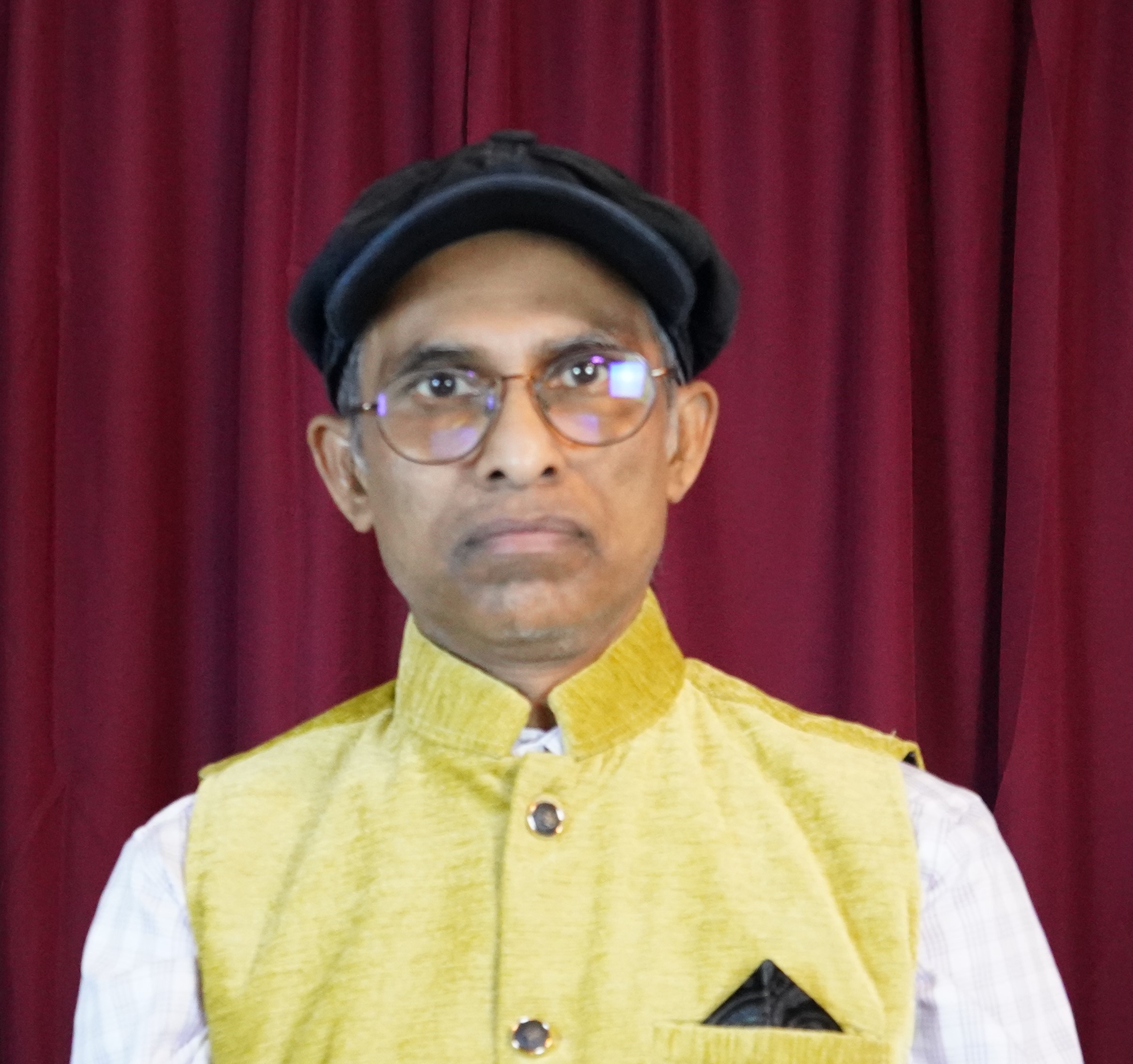
Professor Mrinal Kanti Roychowdhury
School of Mathematics and Statistical Sciences, The University of Texas Rio Grande Valley (UTRGV), USA
✉ mrinal.roychowdhury@isqgd.org
✉ mrinal.roychowdhury@utrgv.edu
Physics Division
Editor-in-Chief: To be appointed
Editors
Chemistry Division
Editor-in-Chief: Professor Bimal Krishna Banik
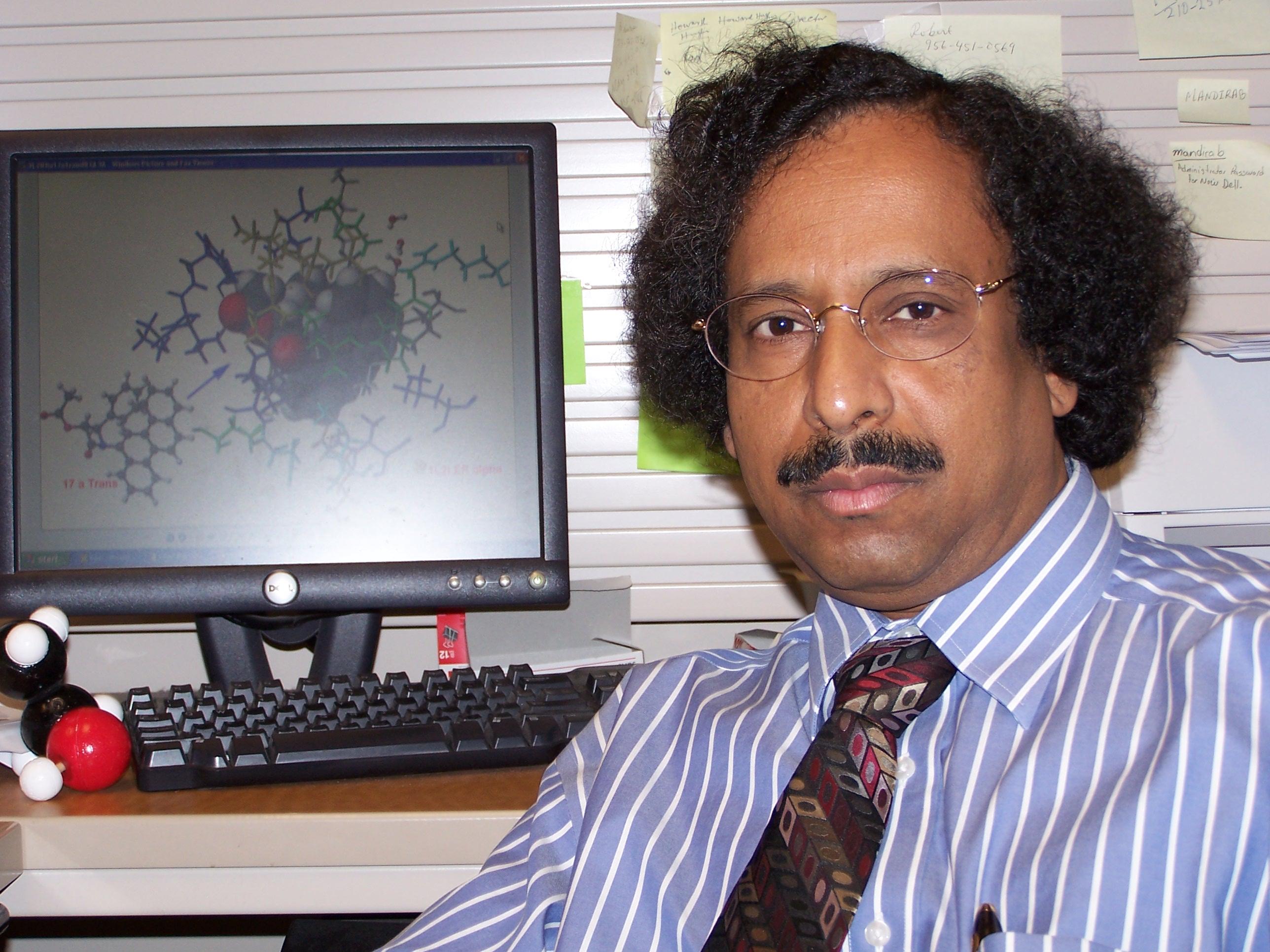
Professor Bimal Krishna Banik
Full Professor and Senior Researcher, College of Sciences and Human Studies and Deanship of Research Development, Prince Mohammad Bin Fahd University, Al Khobar, Kingdom of Saudi Arabia
Editor-in-Chief, Chemistry Division, ISQGD Books
✉ bimalbanik10@gmail.com
Professor Banik is a Full Professor and Senior Researcher at Prince Mohammad Bin Fahd University, Kingdom of Saudi Arabia. He previously served as a Tenured Full Professor of Chemistry and the First President’s Endowed Professor of Science & Engineering at the University of Texas-Pan American, and also held senior research and administrative responsibilities in the United States. His scholarly record includes more than 800 publications, encompassing research articles, patents, reviews, books, book chapters, editorials, and related works in chemistry and biomedical science. He has authored or edited 34 books and contributed approximately 220 book chapters, and has been recognized in international scientist rankings. He has also served as Principal Investigator on research projects supported by agencies including the NIH, NCI, and other funding organizations.
Professor Banik has extensive experience in teaching, research supervision, scholarly publishing, peer review, and academic leadership. He has mentored large numbers of students, postdoctoral fellows, researchers, and faculty members; served as a reviewer, editorial board member, Editor-in-Chief, Guest Editor, and journal founder; participated in major grant-review activities; and chaired numerous scientific committees, conferences, and symposia, including programs associated with the American Chemical Society. He has received many academic and professional honors for research, teaching, leadership, and service. This broad experience as a researcher, author, editor, mentor, and academic leader provides a strong foundation for his role as Editor-in-Chief of the Chemistry Division of ISQGD Books.
Editors
Dr. Devalina Ray
Associate Professor, Amity University, Noida, India
Editor, Chemistry Division, ISQGD Books
✉ dray@amity.edu
Dr. Ray earned her Ph.D. in Chemistry from the Indian Institute of Technology Kharagpur and completed postdoctoral research in the United States and South Korea before continuing research at the Indian Institute of Technology Delhi. Her research interests include synthetic organic chemistry, green chemistry, medicinal and natural-product chemistry, C–H activation, and drug development. She has contributed journal articles, patents, book chapters, and edited scholarly works, and has experience in externally funded research, student supervision, peer review, and editorial service.
Dr. Kamal Usef Sadek
Professor of Organic Chemistry, Faculty of Science, Minia University, Egypt
Editor, Chemistry Division, ISQGD Books
✉ kusadek@yahoo.com
Professor Sadek received his B.Sc. in Applied Chemistry from Assiut University and his M.Sc. and Ph.D. from Cairo University. He has served as a Full Professor of Organic Chemistry at Minia University since 1990. His research focuses on biologically relevant heterocycles and green synthetic approaches. His scholarly record includes 178 scientific articles, book chapters, internationally published books, and a translated Arabic volume. He has also held an Alexander von Humboldt Fellowship and undertaken research visits at several German universities.
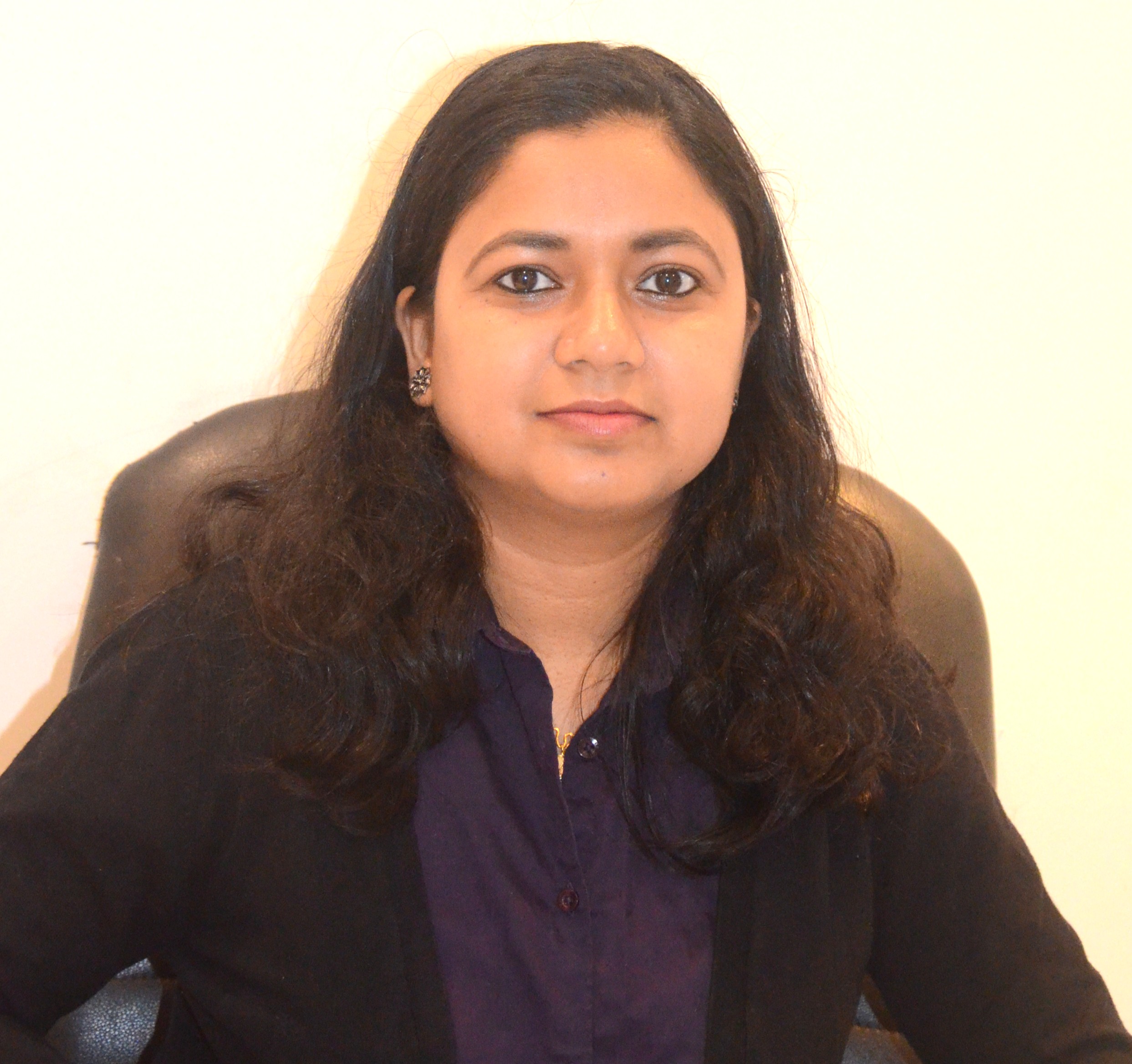
Dr. Aparna Das
Principal Scientist, Kertz Ltd., UK; AI Tutor, Alignerr AI, USA
Editor, Chemistry Division, ISQGD Books
✉ aparnadasam@gmail.com
Dr. Das earned her Ph.D. in Nanophysics from Joseph Fourier University, France, and completed postdoctoral research at the California NanoSystems Institute and the Department of Electrical Engineering at UCLA, followed by a Marie Curie-funded research position at Georg-August-Universität Göttingen. She later served as an Assistant Professor at Prince Mohammad Bin Fahd University. Her publication record includes more than 150 peer-reviewed outputs, including books and book chapters, and her research spans computational chemistry, drug design, optoelectronics, photonics, sensors, solar cells, and nanomaterials.
Engineering Division
Editor-in-Chief: To be appointed
Editors
Probability, Statistics, Data Science, and Artificial Intelligence Division
Editor-in-Chief: To be appointed
Editors
Education and Pedagogy Division
Editor-in-Chief: Professor Carlo Cattani
Editors
Call for Book Proposals
From Primary Level to Research Level
ISQGD Books welcomes book proposals from school teachers, educators, researchers, and authors worldwide. We consider books for every stage of learning: primary (elementary), middle and secondary school, undergraduate and graduate study, and advanced research.
We welcome school textbooks, activity and enrichment books, teacher guides, university textbooks, lecture texts, research monographs, and interdisciplinary educational and scholarly works across our six divisions. School teachers are warmly encouraged to submit books based on their subject knowledge, classroom experience, and teaching practice.
Authors do not need to be ISQGD members or have a prior affiliation with ISQGD. The normal first step is completion of the official ISQGD Books Book Proposal Form. The form also asks authors to suggest 2–3 qualified independent experts who may be considered for proposal evaluation. Reviewer suggestions are advisory only; ISQGD Books may select different or additional experts.
Manuscripts in Editorial Preparation
Mathematics for Electrical and Computer Engineering
Author: Dr. Mrinal Kanti Roychowdhury
A student-centered undergraduate textbook designed for mathematics courses serving Electrical Engineering and Computer Engineering students, with flexible one-semester and two-semester pathways.
Status: In editorial preparation and evaluation; not yet finally accepted for publication.
Complex Analysis: A Conceptual and Geometric Approach
Subtitle: Theory, Examples, and Applications for Undergraduate Students
Author: Dr. Mrinal Kanti Roychowdhury
An undergraduate complex analysis textbook bringing together algebraic, analytic, and geometric viewpoints, with emphasis on conceptual understanding, geometric intuition, mathematical precision, carefully developed proofs, worked examples, and structured exercises.
Status: Completed manuscript; under editorial evaluation and manuscript review; not yet finally accepted for publication.
Digital-First Publishing and Print Availability
ISQGD Books follows a digital-first publishing model designed to support efficient, affordable, and international dissemination of scholarly and educational works. Electronic editions provide a principal means of publication and global access, allowing books to reach students, educators, researchers, professionals, libraries, and institutions without requiring conventional inventory or large advance print runs.
Where a physical edition is appropriate or there is reader, library, or institutional demand, ISQGD Books may also make paperback or hardcover editions available through professional print-on-demand and distribution services. Physical copies can then be produced in response to orders and shipped directly to purchasers by the applicable printing or distribution provider. This approach helps avoid unnecessary inventory, storage, and fulfillment costs while preserving access to professionally produced print editions.
Electronic and print editions of a title are based on the same academically reviewed and approved work. Preparation of a print format does not duplicate the scholarly evaluation of the underlying manuscript; however, each format remains subject to appropriate production checks, bibliographic requirements, and quality control before release.
Availability of particular formats and distribution channels may vary by title. ISQGD Books selects formats and services according to the work, its readership, production requirements, accessibility goals, and sustainable publishing practices.
Pricing and Author Royalties
ISQGD Books seeks to maintain reasonable and internationally accessible pricing while offering authors a transparent and favorable publishing arrangement.
Under the standard ISQGD Books model, authors ordinarily receive 40% of Distributable Net Revenue from sales of their books, subject to the terms of the applicable publishing agreement. Distributable Net Revenue is the amount remaining after clearly defined and permitted publication, transaction, production, and distribution costs have been accounted for.
Book-specific one-time production costs are not intended to be deducted indefinitely. Once such approved costs have been fully recovered, they cease to be deducted from later sales. Detailed terms are set out in the formal author agreement for each title.
Questions About Publishing with ISQGD Books
Prospective authors naturally want to understand how a scholarly publisher evaluates, produces, identifies, distributes, and accounts for its books. ISQGD Books provides clear information about book proposal evaluation, independent expert assessment, editorial independence, ISBNs and metadata, digital and print formats, distribution, copyright, author royalties, and the publication process.
ISQGD Books remains the publisher of works accepted through its editorial process. Established third-party platforms may be used for electronic delivery, retail distribution, print-on-demand, and fulfillment where appropriate; use of such services does not transfer the publisher role to the service provider.
Editorial, Publishing, and Ethical Policies
ISQGD Books maintains written policies covering editorial independence, proposal and manuscript evaluation, conflicts of interest, publication ethics, author and reviewer responsibilities, copyright and permissions, pricing, royalties, production standards, bibliographic identifiers, distribution, corrections, and appeals.
ISQGD Books Inquiries
For book proposals, author inquiries, editorial questions, or recommendations concerning the ISQGD Books program, please contact:
Professor Carlo Cattani
General Editor, ISQGD Books
Engineering School (DEIM), University of Tuscia, Italy
cattani@unitus.it
Professor Mrinal Kanti Roychowdhury
Chair & Board Director
International Society for Quality Growth and Development (ISQGD)
mrinal.roychowdhury@isqgd.org
Explore More Opportunities at ISQGD
Continue exploring the principal areas of the ISQGD website, including academic programs, clubs, conferences and lectures, publications, outreach, archives, participation, and contact information.